Cardiac arrests do not wait for perfect conditions. When someone collapses in a community centre or a snowbound worksite, the usefulness of an AED comes down to a handful of details that owners either get right or discover too late. The right electrodes, a battery with real life left, a cabinet that keeps things visible and accessible, and the knowledge that a device is ready to fire even in January on the Prairies. This guide focuses on Zoll AED accessories used in Canada, which models they fit, how long they last, and what they typically cost. It also covers practical points like bilingual labelling, shipping lithium batteries across provinces, and keeping supplies aligned with your first aid program.
The core question: will this accessory work on my unit?
Zoll sells several AED families in Canada, and their accessories are not universally interchangeable. The three models most commonly found in public access programs and workplaces are the AED Plus, the AED Pro, and the newer ZOLL AED 3. Each has distinct electrodes and power systems.
The CPR-D-padz, the familiar one-piece, adult electrode set with integrated CPR depth sensor, is compatible with the AED Plus and AED Pro. It does not fit the AED 3. The AED 3 uses CPR Uni-padz, which combine adult and child capability in one set and pair with a Child Mode button or pull tab on the device. For pediatric use on the older AED Plus or AED Pro, you need Pedi-padz II. Those pediatric pads are not for the AED 3.
Batteries are also model specific. The AED Plus runs on consumer 123A lithium batteries, ten cells installed at once. The AED 3 uses a proprietary smart battery pack. The AED Pro has two configurations in the field in Canada, one with a rechargeable pack https://telegra.ph/Essential-First-Aid-Oxygen-Supplies-in-Canada-for-Sports-and-Events-05-25 and one with disposables. If you manage AED Pros across different sites, confirm the battery type in the unit you service rather than ordering by memory.
If you manage mixed fleets, avoid guesswork by labelling cabinets and asset lists with model and pad type. A laminated card inside the cabinet noting “AED Plus - CPR-D-padz - 10 x 123A batteries” saves technicians from a wasted visit and prevents the classic mismatch of electrodes to device.
Electrodes: adult, pediatric, and training variants
Electrodes are the consumable you will touch most often in day-to-day inspections. Their adhesive dries out and the embedded gel ages, even in storage, and once the foil pouch is opened they are for single patient use only.
For AED Plus and AED Pro, adult rescues use CPR-D-padz. This is a one-piece pad with a hand placement marker. When placed correctly, it provides Real CPR Help prompts on depth and rate. Shelf life is typically five years from manufacture under standard storage conditions. If you inherit older stock during a building consolidation or take over from a vendor switch, check date codes closely. Boxes can sit in cabinets for longer than anyone expects.
Pediatric rescues on the AED Plus and AED Pro require Pedi-padz II. These are two separate pads with placement diagrams for children under 8 years or under 25 kilograms. They reduce energy appropriately and do not provide compression depth coaching. Shelf life runs shorter than adult pads, usually around two years. In a community program with few child exposures, they are the pads most likely to expire unused. Some facilities accept the replacement cost as part of their public access commitment. Others document a risk assessment and place pediatric-capable AEDs only in areas with children such as arenas and schools.
The ZOLL AED 3 simplifies things with CPR Uni-padz. These electrodes handle both adult and pediatric patients through an on-device selection. That means one sku to stock and fewer expired pediatric sets sitting idle. Shelf life is around five years. The Uni-padz also provide CPR depth and rate feedback when used on adult patients.
Training electrodes exist for all of the above variants. They connect to training units or to AEDs switched into training mode depending on the model and configuration. Training pads are designed for repeated use on manikins but the adhesive wears over time. A practical lifespan is 20 to 50 sessions depending on storage and cleaning discipline. For agencies that run regular courses, buying two sets and rotating them keeps adhesive consistent. If you teach larger classes across Canada, pair your Zoll trainers with a few Defibtech AED training units Canada models as well. Diversifying trainers exposes learners to the electrode layouts they will actually encounter in public buildings, since Canadian sites mix brands.
Batteries and power: real-world service life
Zoll’s AED Plus uses ten 123A photo lithium batteries. In standby, with the weekly self-tests enabled and minimal lid openings, you can expect up to five years before replacement. That number assumes moderate indoor temperatures. A unit hung near a rink exit in northern Saskatchewan, where the cabinet chills each time the door opens, can shave months off that estimate. The best indicator remains the AED’s own status checks. If your inspection sheet shows more frequent chirps near cold doors or sunlit windows, move the cabinet before you spend money on accelerated battery turnover.
Replacing the AED Plus batteries is straightforward but make it methodical. Inspect the battery tray for corrosion. Replace all ten cells at once. Use the brand and type specified by Zoll, typically Duracell 123A lithium. Mixing old and new cells or using no-name imports is a false economy that shows up as early low-battery warnings.
The ZOLL AED 3 relies on a smart battery pack with embedded diagnostics readable by the device and service software. Under normal conditions, you will see standby life up to five years, though agencies that perform frequent training drills on live units will consume capacity faster. Plan for a battery refresh at four years as a preventive step if the device sees regular handling, or let the device diagnostics drive the timing if your usage is light and controlled. Since the pack is proprietary, keep one spare on the shelf for every three to five AED 3 units you manage to buffer against backorders.
The AED Pro complicates planning unless your fleet is standardized. Some AED Pros in Canada run a rechargeable pack that requires a docking charger. Others accept disposable lithium cells. If your AED Pro inventory came through acquisitions or mergers, catalog each unit’s configuration. Rechargeables make sense for clinical teams that handle the Pro weekly. For purely public access, disposables are less hassle. Either way, add the charger or the correct cell kit to your spares.
Lithium shipping matters if you procure centrally. Carriers classify lithium cells and packs differently for air versus ground. Cross country programs often ship by ground to avoid air surcharges, which adds days to timelines for remote sites. Plan replenishment with a four to six week buffer when stocking northern communities and coastal locations that rely on barge or limited winter road windows.
Storage, environment, and what Canada’s climate does to AEDs
AEDs prefer 15 to 30 degrees Celsius and low humidity. Canada rarely obliges. Cold slows chemical reactions in batteries and stiffens electrode gel. Heat dries adhesives and accelerates polymer aging. If you run a rink, an open-air stadium, or a pump house, pick cabinets with insulation and a thermostat-controlled heater. For hot mechanical rooms or south-facing glass, add a small fan cabinet or move the AED to a shaded hallway with clear signage back to the original area.
Every site inspection should include a short touch test. If the cabinet feels very cold or hot, so do the electrodes and batteries inside. In the cold, responders can warm pads briefly between their palms while opening the pouch. It sounds small, but it improves adhesion on clammy skin during those first critical seconds.
Cabinets, signage, and responder kits
Accessories extend beyond pads and power. A visible, accessible cabinet prevents the search that wastes a minute when you do not have a minute to spare. Canadian programs often choose alarmed cabinets to deter casual borrowing of scissors and gloves. If your space is multilingual or welcomes international visitors, use the AED symbol universally recognized rather than text-only signs, and ensure labels meet provincial language requirements. In Quebec, bilingual or French-first markings are the norm in public spaces.
A responder kit should sit in or beside the cabinet, not wander the building in a shared first aid bag. The right kit is simple: heavy shears for jacket and jersey cuts, a razor for chest hair, a pocket mask, two pairs of gloves, and a wipe or towel. Some sites add a small towel for wet chests around pools or in winter storms.
Compatibility pitfalls I see most often
The most common and costly mistake is stocking the wrong pads for the device on the wall. It often happens during model upgrades in one wing of a building. The older wing keeps receiving the new pads because purchasing uses a single sku. If you roll out the AED 3 in phases, put a bright tag inside the AED Plus and AED Pro cabinets that reads “This unit uses CPR-D-padz - not Uni-padz.” Keep it there until the upgrade is complete.
Another quiet problem is pediatric planning that does not match the population. Offices buy Pedi-padz II because it feels responsible, then throw them out two years later still sealed. If you manage a corporate portfolio, concentrate pediatric capability where children are present, and rely on good CPR training elsewhere. For AED 3 sites, the Uni-padz resolve this dilemma, which is one reason organizations adopt the AED 3 as they refresh.
Finally, replace pads after a rescue even if the adhesive seems intact. People sometimes re-fold a used set and slide it back in the pouch to keep the cabinet looking full. A simple protocol solves this: anyone who touches the AED puts a dated note on the cabinet, and the safety lead brings spare pads the same day.
Service intervals and aligning expiries
AED ownership is simpler when you line up consumable changes. The most efficient cadence in public access settings is an annual inspection with a mid-year cabinet check, and a full accessory refresh on a four or five year cycle that catches adult pads and batteries together. For AED Plus fleets, you can often pair the five year battery change with new CPR-D-padz. For AED 3 fleets, Uni-padz and the smart battery can be swapped on the same day at the four and a half to five year mark. Pediatric-only pads on AED Plus or AED Pro will fall off cycle due to their shorter two year shelf life. Track these separately or move to AED 3 where that makes sense.
If you manage dozens of devices, a simple spreadsheet works if it is updated. For municipal programs that share responsibilities, use a shared calendar with expiry events and cabinet locations. The inspection task should include a quick self-test confirmation, a visual pad pouch check for swelling or punctures, and a tug on the cabinet alarm.
What it costs in Canada
Budgets vary, but typical Canadian pricing patterns are predictable enough for planning. The numbers below reflect current market ranges seen across distributors and direct channels, exclusive of taxes and freight. Sales or contract pricing can shave 10 to 20 percent for volume.
CPR-D-padz for AED Plus and AED Pro usually land in the 220 to 260 CAD range per set. Pedi-padz II for the same devices run lower, often 140 to 190 CAD. The ZOLL AED 3 CPR Uni-padz are a bit higher, commonly 260 to 330 CAD, which is offset by not needing a separate pediatric sku.
Batteries follow the same pattern. A full set of ten Duracell 123A cells for the AED Plus is typically 100 to 160 CAD if sourced as a kit from your AED vendor, sometimes less if your procurement team buys batteries in bulk through general supply contracts. The AED 3 smart battery pack usually prices in the 250 to 350 CAD band. AED Pro battery costs depend on configuration, and rechargeable options add the charger hardware as a one-time purchase in the 250 to 400 CAD range.
Cabinets vary widely. A simple wall cabinet without an alarm sits near 300 to 400 CAD. Add an alarm and strobe and you are closer to 450 to 600 CAD. Outdoor rated or heated cabinets can exceed 700 CAD. Signage packages cost 20 to 60 CAD per location depending on the number of decals and directional arrows.
Responder kits are inexpensive but often overlooked. Expect 20 to 50 CAD depending on contents and whether you choose single use masks or reusable pocket masks. Replacement shears and razors are a rounding error, but they tend to walk away without a plan. Keep a small reorder bin in the safety office.
Training electrodes sit at 50 to 120 CAD per set. Training units for Zoll cost more, though agencies that also teach on other brands often mix in Defibtech AED training units Canada to give learners variety and to stretch budgets through competitive pricing.
Where to buy and how to keep it moving
Most Canadian organizations source through a mix of authorized distributors and trusted online suppliers. Buying from a Canadian vendor avoids customs delays and ensures Health Canada compliance in labelling and documentation. If you operate under an MDEL or within a hospital network, your procurement policies likely already require that chain.
For smaller teams, first aid supplies online Canada retailers are convenient for topping up gloves, barrier masks, and cabinet signage along with AED consumables. Their stock turns faster than general marketplaces, and you can add routine items like nitrile gloves and gauze to the same cart. If your responders carry oxygen, it is efficient to align resupply with AED consumables. First aid oxygen supplies Canada vendors often bundle demand valve masks or regulators with oxygen cylinders on delivery routes that already serve clinics and industrial sites.
Programs with remote assets face a different challenge. CPR supply delivery Canada to fly-in communities depends on seasonal schedules and carrier restrictions. Build a buffer of at least one extra set of adult pads and one spare battery per AED on site. Store spares in a climate controlled cabinet or office, not in the AED cabinet itself where temperature extremes hit hardest. Tag the spares with bold expiry dates and assign a named person to rotate stock.
Training gear, data, and the rest of the toolbox
A workable AED program includes more than hardware. Pair your devices with regular practice. Zoll sells model-specific trainers and training pads. If budget is thin, use a single trainer per building and schedule quarterly drills in different departments. Learners benefit from hands-on repetition with the exact pad layout they will use in an emergency.
Data cables and software matter after a real event. Zoll AEDs can export event data for medical oversight and quality improvement. Confirm you have the right cable and a current copy of the software. In mixed IT environments, install it on a service laptop rather than relying on an office desktop that might be locked down. After an event, pull the data the same day while details are fresh and before the unit goes back to its cabinet with fresh pads.
Mounting hardware is easy to ignore until you meet fire code. Cabinets mounted along egress routes must not intrude beyond depth limits. When in doubt, mount the cabinet in an alcove or select a low profile model, then overcompensate with good directional signage.
A short compatibility cheat sheet
- AED Plus: CPR-D-padz for adults, Pedi-padz II for children, 10 x 123A lithium batteries. AED Pro: CPR-D-padz for adults, Pedi-padz II for children, rechargeable or disposable battery options, confirm your configuration. ZOLL AED 3: CPR Uni-padz for both adult and child via on-device selection, smart battery pack only. Training gear: model-specific pads and trainers, cross-train with other brands for realism. Cabinets and signage: choose by environment, respect language and fire code requirements.
Risk and edge cases from the field
Hockey arenas pose a special challenge. Cold entrances, wet chests, and thick clothing slow responses. Place the AED away from the cold blast of the main doors, keep a small towel in the responder kit, and ensure the shears can cut heavy jersey fabric and laces. Tape a reminder inside the cabinet to shave and dry quickly before pad placement on adult chests with heavy hair.

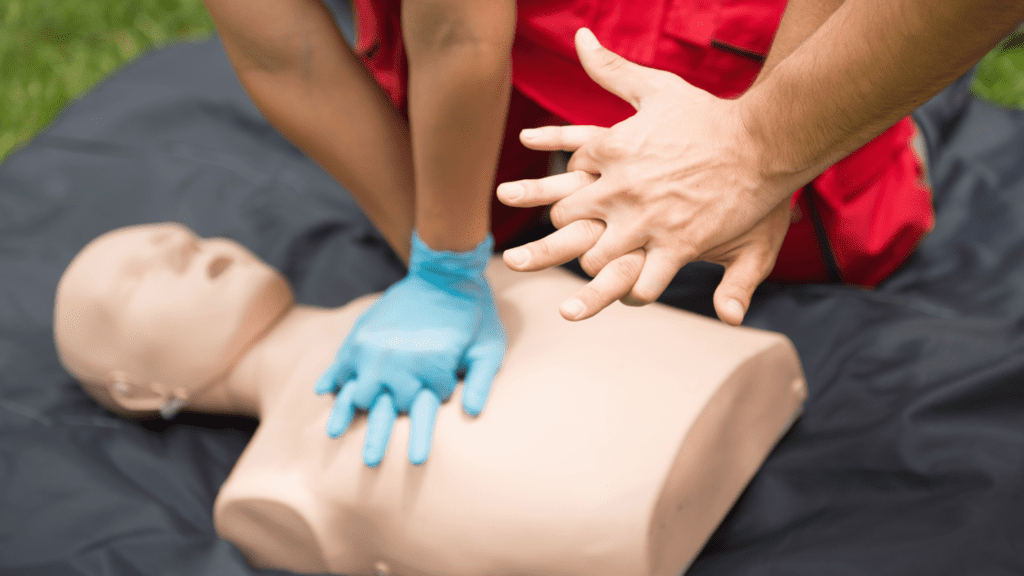
Industrial sites create adhesive nightmares. Dust and oil film defeat electrodes fast. Train responders to wipe the chest first even under time pressure. Position AEDs in relatively cleaner zones and consider extra responder kits with more wipes. Where lockout protocols keep doors shut, make sure the AED is accessible without needing a keycard.
Community centres often share responsibilities. Volunteers check cabinets, but no single person owns the program. In those settings, keep the process painfully simple. A monthly cabinet check, a hotline for chirps or alarms, and a single procurement contact who orders replacements the same day they are requested. If you work with municipal risk management, plug into their procurement systems to leverage their vendors and pricing for AED and first aid supplies.
Making the dollars work: practical buying strategies
Standardize across your network when you can. Moving all locations to the AED 3 reduces sku count, simplifies training, and cuts wasted pediatric pad spend. If a full refresh is not practical, migrate high turnover sites first. Bundle purchases. Ordering CPR-D-padz and batteries together for AED Plus fleets every four to five years drops freight per unit and avoids patchwork expiry dates building by building.
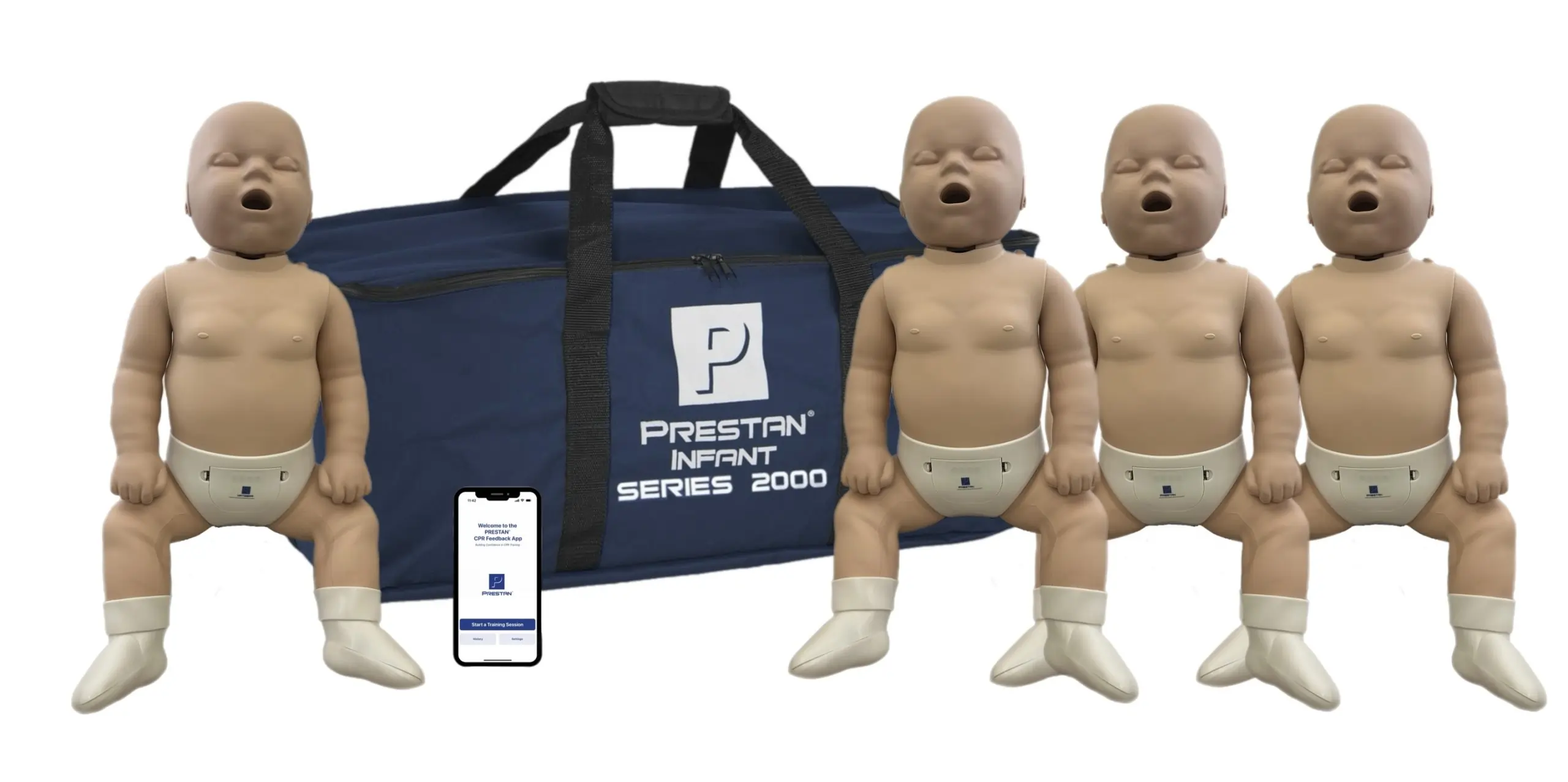
If your sites are spread across provinces, set regional caches. A community college system I worked with kept two kits of emergency spares in each region: adult pads for both device families and one battery pack each for AED Plus and AED 3. That was enough to cover any failure until the next scheduled delivery. The cost was minor compared to a single cancelled course or a device offline for a week.
For small organizations, online vendors are fine as long as you check lead times. If a product says drop-ship or backorder, call and ask for a real date. Lithium battery packs sometimes sit in customs during peak periods. It is worth paying a few dollars more with a vendor that has stock on Canadian soil.
A simple maintenance rhythm that sticks
- Assign a primary and a backup for inspections, with calendar reminders and a shared log. Stock one spare adult pad set and one spare battery per every three to five AEDs of the same model. Align expiries so pads and batteries change together where possible. Run two short drills per year at each location, one with the real cabinet and one with a trainer. After any event or false alarm, restock the same day and document what was used.
Bringing it all together
Zoll AED accessories in Canada are not complicated once you match model to part and build a rhythm for replacements. The AED Plus favors CPR-D-padz and 123A batteries, the AED Pro mirrors pad compatibility but needs special attention on its power configuration, and the AED 3 consolidates pads and adds a smart battery pack. Shelf life sits near five years for adult pads and most batteries, two years for pediatric pads on older models, and training gear lasts dozens of sessions if treated kindly.
Costs are steady enough to budget a refresh cycle and predictable enough that surprises mostly come from shipping lithium across long distances or keeping pediatric pads up to date where children are rare. Buying through Canadian channels keeps delivery smooth, and pairing AED consumables with broader first aid supplies online Canada orders reduces administrative friction. If your responders also manage oxygen, coordinate with your provider of first aid oxygen supplies Canada to sync cylinder swaps and accessory drops on the same visit. For programs that train widely, sprinkling in Defibtech AED training units Canada helps students recognize different pad layouts they may face out in the community, which makes real responses faster.
Most failures I have seen came from small, fixable process gaps. A cabinet mounted in a cold draft, the wrong pads ordered during a model upgrade, or a responder kit emptied for a scraped knee and never replenished. A checklist, a couple of spares, and a calendar reminder turn those weak points into non-events. The payoff is measured in seconds saved and confidence gained, which is what these devices are on the wall to deliver.
CPR Depot Canada — Business Info (NAP)
Name: CPR Depot CanadaAddress: 340 Croft Dr, Tecumseh, ON N8N 2L9
Phone: +1-877-570-7322
Website: https://cpr-depot.ca/
Email: [email protected]
Hours:
Monday: 9:00 AM – 6:00 PM
Tuesday: 9:00 AM – 6:00 PM
Wednesday: 9:00 AM – 6:00 PM
Thursday: 9:00 AM – 6:00 PM
Friday: 9:00 AM – 6:00 PM
Saturday: Closed
Sunday: Closed
Open-location code (Plus Code): 8537+C8 Tecumseh, Ontario
Map/listing URL: https://www.google.com/maps/place/CPR+Depot/@42.3036,-82.8392601,17z/data=!3m1!4b1!4m6!3m5!1s0x883b2aedd5f271a1:0xfee6f8b7ab8f4110!8m2!3d42.3036!4d-82.8366852!16s%2Fg%2F1q6cff15h
Embed iframe:
Socials:
https://www.facebook.com/people/CPR-Depot-Inc/61575911496200/ https://www.instagram.com/cprdepotinc/ https://www.youtube.com/@CPRDepot
https://cpr-depot.ca/
CPR Depot Canada is a supplier of medical training products and related supplies serving customers across Canada.
The business is listed at 340 Croft Dr, Tecumseh, ON N8N 2L9.
To contact CPR Depot Canada, email [email protected] or call +1-877-570-7322.
Hours listed are Monday–Friday 9:00 AM–6:00 PM, with Saturday and Sunday closed.
For directions and listing details, use: https://www.google.com/maps/place/CPR+Depot/@42.3036,-82.8392601,17z/data=!3m1!4b1!4m6!3m5!1s0x883b2aedd5f271a1:0xfee6f8b7ab8f4110!8m2!3d42.3036!4d-82.8366852!16s%2Fg%2F1q6cff15h
Popular Questions About CPR Depot Canada
Where is CPR Depot Canada located?CPR Depot Canada is listed at 340 Croft Dr, Tecumseh, ON N8N 2L9.
What are the hours for CPR Depot Canada?
Hours listed: Monday–Friday 9:00 AM–6:00 PM; Saturday and Sunday closed.
What does CPR Depot Canada sell or provide?
CPR Depot Canada supplies medical and first aid training products and related equipment (product availability varies).
Do they ship across Canada?
The business markets to Canadian customers and operates as a Canada-wide supplier; confirm shipping options at checkout or by contacting [email protected].
How can I contact CPR Depot Canada?
Phone: +1-877-570-7322
Email: [email protected]
Website: https://cpr-depot.ca/
Map: https://www.google.com/maps/place/CPR+Depot/@42.3036,-82.8392601,17z/data=!3m1!4b1!4m6!3m5!1s0x883b2aedd5f271a1:0xfee6f8b7ab8f4110!8m2!3d42.3036!4d-82.8366852!16s%2Fg%2F1q6cff15h
Landmarks Near Tecumseh, ON
1) Tecumseh Town Hall2) Lacasse Park
3) Lakewood Park
4) WFCU Centre (Windsor)
5) Devonshire Mall (Windsor)